
“Whether you’re keeping a journal or writing as a meditation, it’s the same thing. What’s important is you’re having a relationship with your mind.” Natalie Goldberg
The healthcare environment is very fast-paced. It requires quick thinking and emotional resiliency to face challenges in high-stress conditions. So, what does that have to do with journaling? Journaling is taking time to reflect and write about your thoughts, feelings and experiences. They seem like polar opposites, right? But stopping to reflect about your nursing experiences can actually help you develop the necessary qualities to face those intense situations.
Journaling can enhance self-awareness, an important principle we all learned in nursing school. Self- Awareness is key in providing compassionate, culturally competent care founded in good clinical judgment and decision-making.
Emotional benefits of Journaling
Much like a debriefing session, journaling can help nurses deal with traumatic experiences and review what happened. However, in private journaling you can feel free to say anything, including the things you may be afraid to say out loud. The process of pouring out your feelings on paper can be very cathartic and leads to acceptance of one’s emotions. Overall emotional benefits include:
- Decreased symptoms of depression
- Improved mood
- Increased compassion
- Reduced burnout
Mental Benefits of journaling
Critical thinking skills are one of the primary objectives in your nursing education. But nurses have to be life-long learners, constantly seeking improvement. Writing down your experiences can help you clarify your thoughts and record your observations. This also leads to examining your previously held assumptions and developing a deeper understanding. It can help identify areas for improvement and encourage finding solutions to problems. You might set new goals for yourself such as taking a training course, shadowing in another specialty, or consulting with another healthcare expert. Over time, journaling can help the nurse track increased competence and may enhance self-confidence.
Physical benefits
Given the physical benefits of many other stress-reducing techniques, it is no surprise that journaling can also improve your physical health. You may witness:
- Decreased blood pressure
- Taking fewer sick days
- Improved immune system functioning
- Improved function of vital organs
Professional Benefits
The stated mental benefits of self-reflection can also lead to improved work performance. You may enhance work efficiency and problem-solving skills which will ultimately make you a better nurse. You will also have a record of experiences to draw from to give as examples in job interviews or during performance reviews. Journaling has also shown to lead to less absenteeism from work and reduced burnout.
Regardless of why you decide to start journaling, you will experience a variety of benefits. You can start journaling anytime and there is no time like the present!
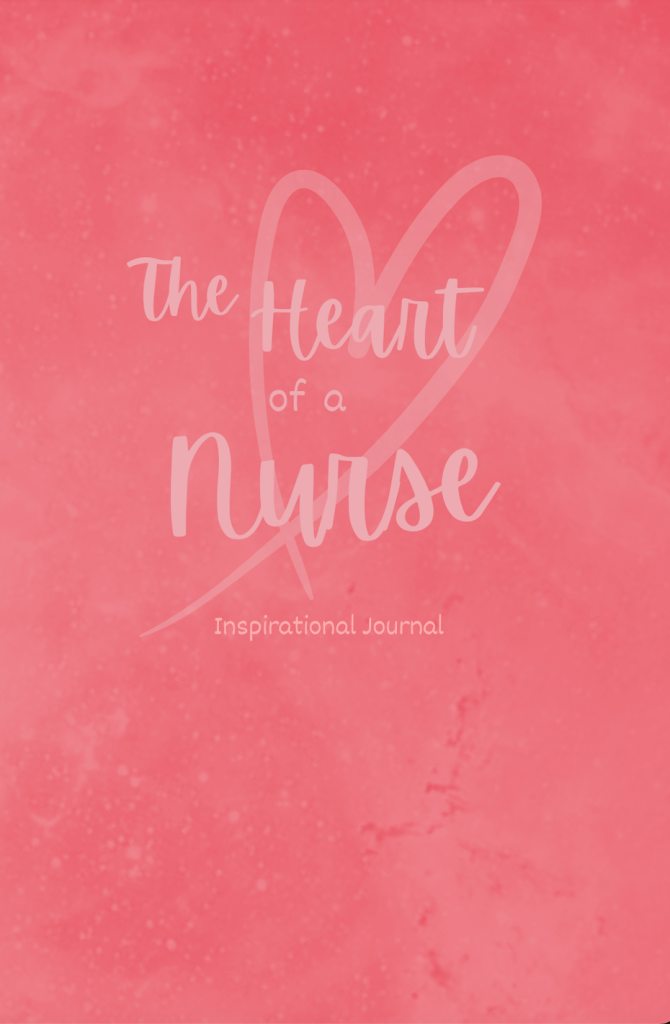
To help you get started, I have created a journal especially for nurses. It has inspirational quotes on each page about nurses, strength, courage, kindness or caring. Please check it out on amazon.
- Top 11 Absolute Must Have Items to start Nursing School!
- Reflecting on One Year as a Nursing Instructor
Categories: Healthcare, Nursing, Careers
 Free Nursing Career Information: Expert Tips for Success