
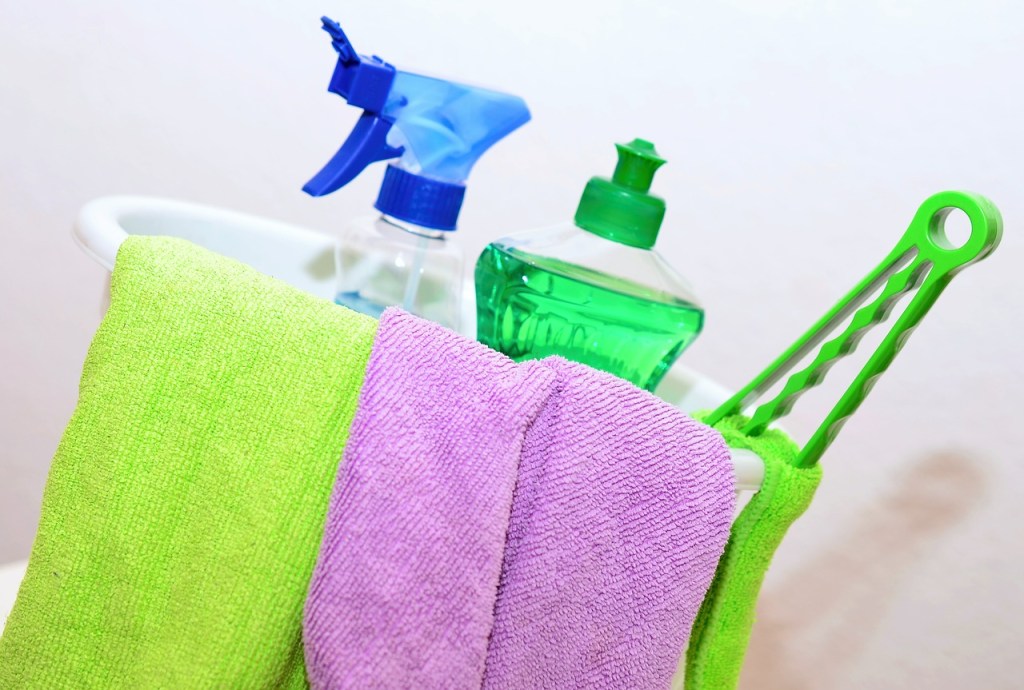
We clean our homes to be healthier. To get rid of harmful bacteria and viruses, dust and allergens. But could actually cleaning our homes be making us sick?
The Effects of Cleaners on Health
A 20 year study published in a peer-reviewed medical journal found that using household cleaners even once a week was as damaging to lungs as smoking a pack of cigarettes a day for 20 years. The chemicals that were the primary culprits were ammonia, bleach and quaternary disinfectants. Women were affected more than men, and regular use of these products increased rates of asthma. The effects also appear to be cumulative so that the more you clean the more damage you do to your lungs.
According to the American Lung Association, volatile organic compounds (VOCs), such as ammonia and bleach are among the most harmful chemicals in household cleaners. These harmful chemicals can not only cause irritation to eyes, nose and throat, but can actually contribute to chronic respiratory problems, allergic reactions and even cancer.
What Ingredients to Avoid in your Cleaners
The Cleveland Clinic identifies some of the most toxic household cleaners which are summarized in the table below.
| Cleaner | Harmful Ingredients | Safety Concerns |
| Laundry Detergent | Cationic detergents | Ingestion – nausea, vomiting, shock, coma Long term use can cause asthma |
| All-purpose cleaner | Ammonia, Ethylene glycol, Monobutyl acetate, Sodium hypochlorite, Trisodium phosphate | Irritants to skin, eyes, nose and throat Poisonous if swallowed |
| Bleach | Sodium hypochlorite | Irritate skins, eyes, nose, throat Contact dermatitis Ingestion – esophageal injury, stomach irritation, prolonged nausea and vomiting |
| Dishwashing Detergent | Phosphates | Skin irritation or burns May be fatal if swallowed |
| Oven Cleaner | Lye | Burn skin and eyes May be fatal if swallowed |
| Antibacterial Disinfectant | Fragrances, Pesticides (quaternary ammonium or phenolic chemicals) | Irritate eyes Burns skin and throat |
| Window Cleaner | Ammonium Isopropanol | Irritants to skin, eyes, nose and throat If ingested, drowsiness, unconsciousness, or death |
| Toilet Bowl Cleaner | Sodium hypochlorite, Hydrochloric AcidBleach | Irritants to eyes, skin and throat |
| Mold and Mildew Remover | Chlorine, Alkyl Ammonium Chlorides | If swallowed, breathing problems and burns throat |
| Drain Cleaners | LyeSulfuric Acid | Irritants to skin, eyes Damage to liver, kidneys and Digestive tract Fumes can cause blindness Fatal if swallowed |
| Carpet/Upholstery Cleaner | Perchloroethylene, Naphthalene, Ammonium hydroxide | Cancer, Liver damage, Dizziness, sleepiness, Nausea, Loss of appetite, Disorientation |
| Furniture Polish | Ammonia, Petroleum distillates, Naphtha, Nitrobenzene, Phenol | Irritants to skin, eyes, throat, lungs and windpipe Nausea & vomiting from ingestion |
| Air Fresheners | Formaldehyde, Petroleum distillates, p-dichlorobenzene, Aerosol propellants | Cancer, Brain damage, Irritants to skin, eyes, throat, Flammable Solid fresheners – death from ingestion |
Healthier Alternatives
There are healthier alternatives to these harmful chemical cleaners. Although some “green” or “natural” cleaners are very expensive and some just don’t work. Homemade alternatives also don’t seem to perform as well. However, there are manufacturers that are committed to making safer products and offer very affordable options. If you are interested in recommendations on products, email me at nurse.theresa41@gmail.com for details.
References
American Lung Association. (2020). Cleaning supplies and household chemicals.
Cleveland Clinic. (2018). Household chemical products and their health risk.
Saferforyourhome.com
Svaines, O. et al. (2018). Cleaning at home and at work in relation to lung function decline and airway obstruction. American Journal of Respiratory Critical Care Medicine, 197(9), 1157-1163.
Categories: Healthcare, Nursing, Careers
 Free Nursing Career Information: Expert Tips for Success