
Nurses and other healthcare workers in the hotspots of the COVID-19 pandemic demonstrate tremendous courage battling this disease on the frontlines. But they are also exhausted, worried and sometimes angry. Healthcare workers also have to care for their sick coworkers or family members and even watch them die.
Those in areas that are not yet overwhelmed by COVID-19 cases are watching what is happening in New York, Michigan, California and other areas with horror and trying to prepare for the worst-case scenarios. Hoarding and even stealing PPE.
Some healthcare workers are also being harrassed and attacked in public places by panicked people in the community.
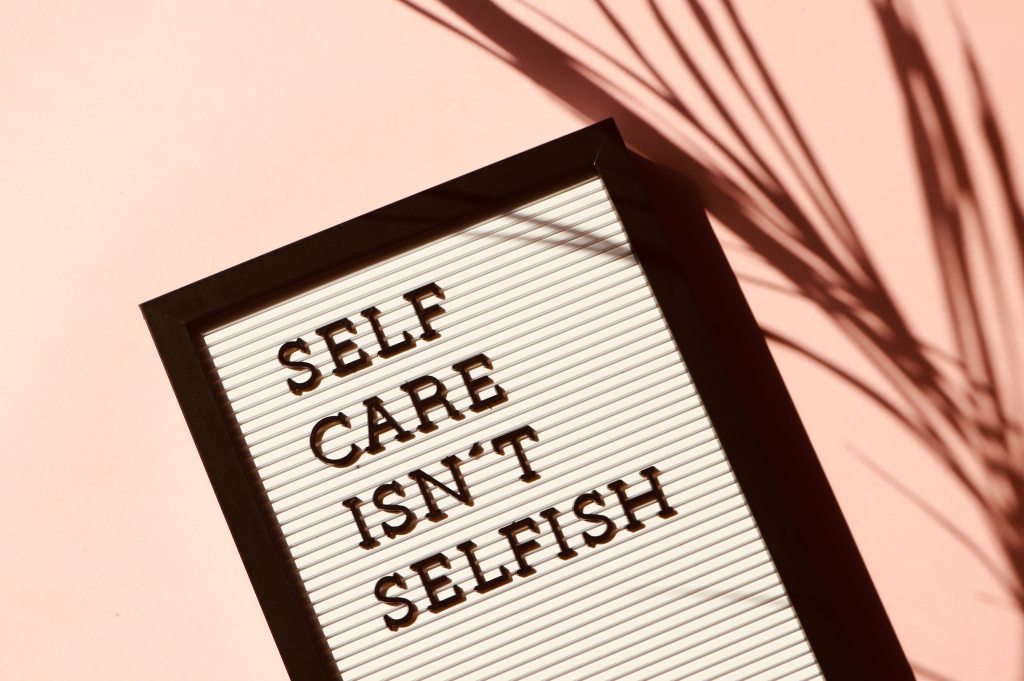
In the aftermath of the COVID-19 pandemic, many healthcare workers may continue to suffer from Post-Traumatic Stress Syndrome, Secondary Traumatic Stress or related symptoms. You need to prioritize your own health in order to continue taking care of others.
Don’t try to be a superhero
Many people are giving thanks to healthcare workers and touting us as heroes. It feels great to be recognized, but that can also make us feel a lot of pressure too. Know that you are NOT superhuman, and you are NOT alone. Administrators have responsibilities too and their role is to support you. Speak up if you need more resources (staff, PPE etc), better communication, or additional training. Don’t rush into a risky situation without the proper protection. Visit my blog on how to protect yourself from COVID -19 and advocate for yourself and all healthcare workers.
Have confidence
As a nurse, you are prepared to handle emergency situations. You can handle this situation. You are a skilled professional, you are supported by a team of highly trained professionals. Stay calm, stay focused, work together, work the problem. Make this your mantra.
Strategies for Resilience Against Stress
Research on resilience to trauma indicates that avoidant behaviors such as denial and social withdrawal are strongly linked to distress. Some of the most protective factors against trauma are seeking social support, finding meaning, and taking a problem-solving approach. Focus on the things you can control in the situation. Process your emotional responses through journaling or talking to someone you trust.
Give yourself a break
At work, allow yourself to take breaks and DON’T obsessively watch the media coverage of COVID-19 or social media. Decrease sympathetic nervous system activation with calming activities. Do a 5-minute meditation, listen to relaxing music, do yoga stretches or eat a healthy snack.
Off-Duty Coping Strategies
Allow yourself to decompress. Keep a journal to process your feelings. Attend to your self-care by getting adequate sleep, eating healthy and exercising. Spend time with your family, check in with loved ones, spend time on a hobby, read a book, or make plans for the future (vacation, landscaping).
Know when to seek help
Symptoms to watch for include:
- Difficulty concentrating
- Preoccupation with the trauma
- Startle response
- Sleep disturbances or appetite changes
- Feelings of guilt, anger, sadness
- Numbness
- Social Withdrawl
- And more
Visit the American Psychiatric Nurses Association webpage dedicated to coping with the COVID-19 pandemic. If you are overwhelmed with symptoms of Secondary Traumatic Stress and call 911 or 1-800-985-5990 (SAMHSA Disaster Distress Line), or text TalkWithUs to 66746.
I will continue posting valuable advice for staying healthy during this crisis. Check back to this blog frequently for updates and resources.
References
American Psychiatric Nurses Association. (2020). Managing Stress & Self-Care During COVID-19: Information for Nurses.
Littleton, H., Horsely, S., John, S., and Nelson, D.V.. (2007). Traumatic coping strategies and psychological distress: A meta-analysis. Journal of Traumatic Stress, 20(7).
Categories: Healthcare, Nursing, Careers
5 replies ›
Trackbacks
- 5 Minute Breathing Meditation
- How to complete Continuing Education for Nurses and Nurse Practitioners in Kentucky
- Compassionate Nurses – Freelance Health Writer | Nurse Practitioner
- How Journaling can Benefit Nurses – Free Nursing Career Information: Expert Tips for Success
 Free Nursing Career Information: Expert Tips for Success
This is a great article! Thanks for posting. Resilience is so important for nurses, because it can be such a hard and stressful job! My favorite self-care activity is running! Helps me let go of all the craziness of my shifts!
LikeLike