
These are anxious times. And there is a lot of of information circulating about proper protection from COVID-19. Here is what I’ve learned
Educate yourself on proper PPE use
The American Nurses Association advocates for the nursing profession and offers resources and support for nurses. I recently watched their webinar on protection from COVID-19 by experts in epidemiology and disaster preparedness. I’ve summarized some of the main points below.
- Studies indicated the most important factor in preventing transmission to healthcare workers is quick identification of infection. Nurses have the authority and the right to put isolation precautions in effect for a suspected patient. Patients with both a fever and cough are the most contagious.
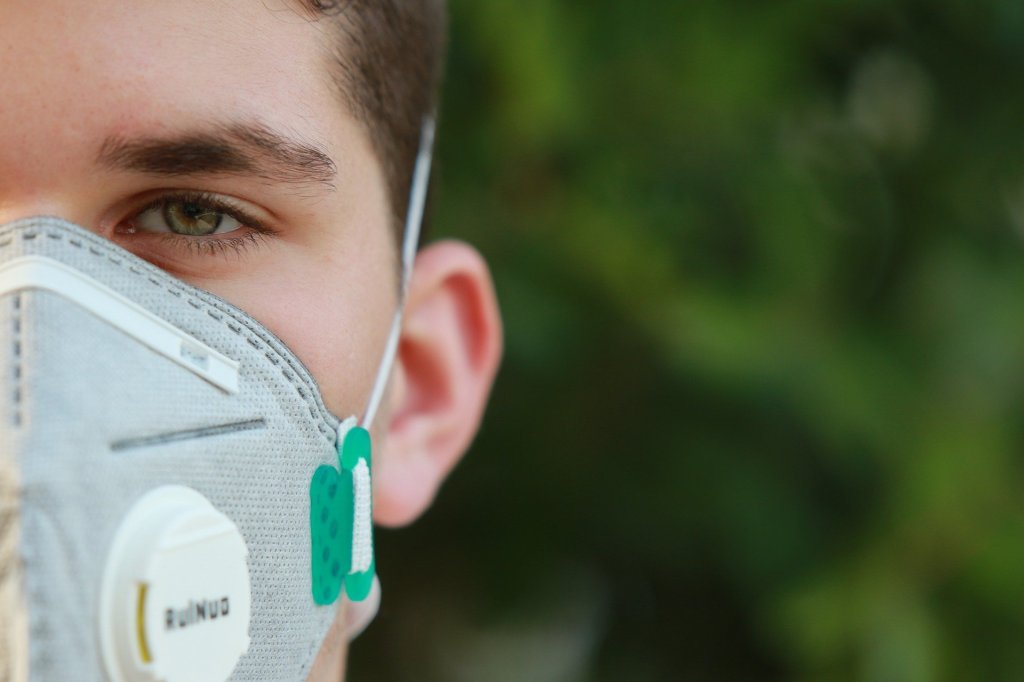
- The best PPE precautions are an N95 respirator, isolation gown, eye protection and gloves. In shortages, some restrictions may be applied to limit exposure during the activities with the greatest risk.
- Transmission of the virus is still considered to be primarily droplet so a surgical mask is acceptable. However, it can be airborne during aerosolizing procedures (intubation/extubation, open airway suction, sputum induction, bronchoscopy, CPR,and autopsy) requiring use of the N95 respirator.
- Masks and respirators should be removed from the back of the head. Keep hands away from the front or side.
- Do not touch your mask or respirator while wearing it. Wash your hands if you do.
- Inspect your mask/respirator for breakdown. Check the seal after applying your mask. It should fit tightly.
- To conserve supply, extended wear is preferred over re-use. Extended wear means using the same mask/respirator for multiple patient interactions without touching or removing in between. Wear a surgical mask over a respirator. Frequent hand hygiene between patient contact. Wash hands after removal.
- Studies on re-use of N95 masks recommends no more than 5 re-uses. You should still discard your respirator after exposure to any aerosolizing procedure, after providing care to a patient in contact for any disease other than COVID-19, or if contaminated with bodily fluids. Hang respirator in a designated area, or store in a brown paper bag with your name on it.
This only a sampling of the information in the webinar. Sign up to watch it and future webinars.
Advocate for Nurses’ protection
The ANA is advocating for PPE distribution so nurses can have the equipment they need. On March 27, 2020, the Coronavirus Aid, Relief, and Economic Security (CARES) Act was signed into law providing over $150 billion for hospitals and healthcare providers.
Let your voice be heard by contacting your congress members to advocate for more PPE distribution.
- Nurses and Healthcare Workers: How are You Coping with the COVID-19 Pandemic?
- Build Resilience to Stress in the Midst of the COVID-19 Pandemic
Categories: Healthcare, Nursing, Careers
 Free Nursing Career Information: Expert Tips for Success